October 10th, 2025
Marilyn Manson in 2025: Why The Antichrist Superstar Is Still Relevant In 2025
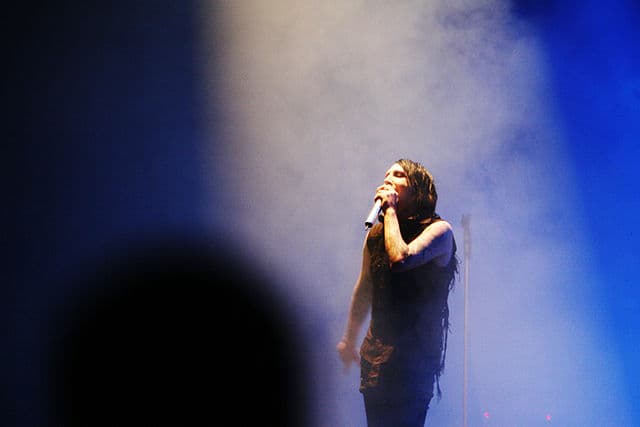
• Introduction: The Staying Power of Marilyn Manson
In 2025, Marilyn Manson remains one of the most recognizable and polarizing figures in rock music. More than thirty years after he first emerged onto the alternative scene, his name still sparks conversation, curiosity, and debate. Few artists from the early ’90s have managed to maintain this level of cultural presence, especially in a musical landscape that changes so rapidly with each new generation of listeners. Yet Manson’s career stands as proof that controversy, reinvention, and artistic vision can give an artist a longevity that few achieve.
The story of Manson’s staying power is not a simple one. It is the story of an artist who consistently adapted while remaining true to his darkly theatrical vision. It is also the story of how controversy and cultural upheaval intertwined with his image to create a figure who became larger than music itself. In this article, we’ll explore the roots of Marilyn Manson’s relevance, how he’s managed to endure, and why—despite shifting public perception—he remains a cultural touchstone in 2025.
• Origins of a Shock Rock Icon
Marilyn Manson, born Brian Warner, began his journey in the early 1990s with his band Marilyn Manson & the Spooky Kids. His early work thrived in Florida’s underground music scene, combining heavy guitars, industrial beats, and theatrical performances. At a time when grunge dominated the mainstream, Manson offered something entirely different: a nightmarish, surreal performance that fused elements of goth, metal, and industrial soundscapes.
His persona—a mix of gothic glamour and grotesque distortion—was calculated to shock. By adopting the stage name “Marilyn Manson,” a fusion of Marilyn Monroe’s allure and Charles Manson’s infamy, he instantly branded himself as a cultural contradiction. This duality became his calling card, forcing both fascination and outrage from the public. Parents feared him, politicians condemned him, and fans adored him.
Albums like Portrait of an American Family (1994) and Antichrist Superstar (1996) positioned him as the ultimate countercultural figure. His concerts, filled with religious imagery, destruction, and theatrical chaos, drew widespread criticism but also sold out venues worldwide. In these years, Manson created the foundation of his lasting legacy: not just as a musician, but as a cultural provocateur whose name alone commanded attention.
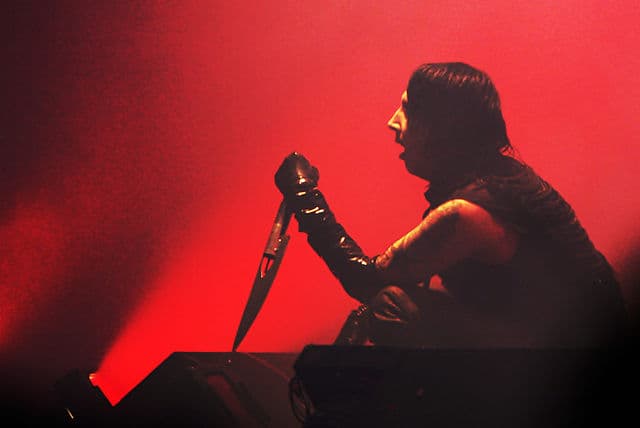
Manson’s stage presence has always mirrored his evolution—ever-shifting, theatrical, and unapologetically bold.
• Reinvention Across the Decades
If Manson had remained the same artist he was in 1996, his career would likely have faded into obscurity. Instead, he consistently reinvented himself. Each era of his discography represents a new aesthetic and thematic vision, keeping his work fresh and unpredictable.
In the late 1990s, Mechanical Animals showcased a glam rock persona, inspired by David Bowie’s androgynous theatricality. He shed the nihilistic shock imagery of Antichrist Superstar in favor of a futuristic, alien-like identity. This reinvention proved that Manson was more than just a provocateur—he was an artist with the ability to adapt and redefine himself.
The 2000s brought The Golden Age of Grotesque, drenched in cabaret, burlesque, and decadent 1930s Berlin aesthetics. Later, albums like The High End of Low and Born Villain saw him experimenting with darker, grittier tones. By the 2010s, Manson leaned into a more refined, blues-influenced industrial rock sound with The Pale Emperor (2015), which was widely hailed as a creative rebirth.
Each reinvention demonstrated his artistic resilience. While trends shifted—from grunge to nu-metal, emo, EDM, and now genre-blurring pop—Manson always found a way to keep his sound and image engaging. His adaptability became a key ingredient in his staying power.
• Cultural Relevance Beyond Music
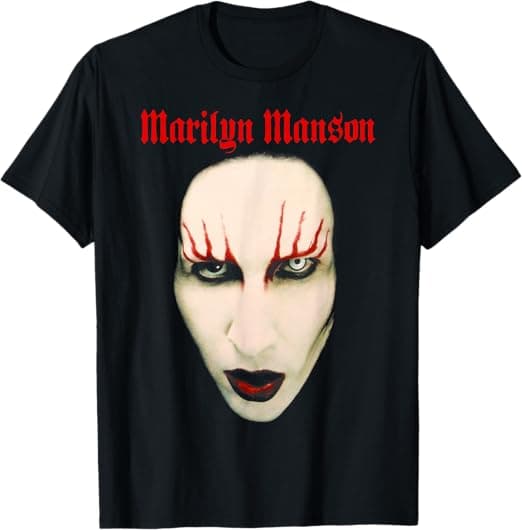
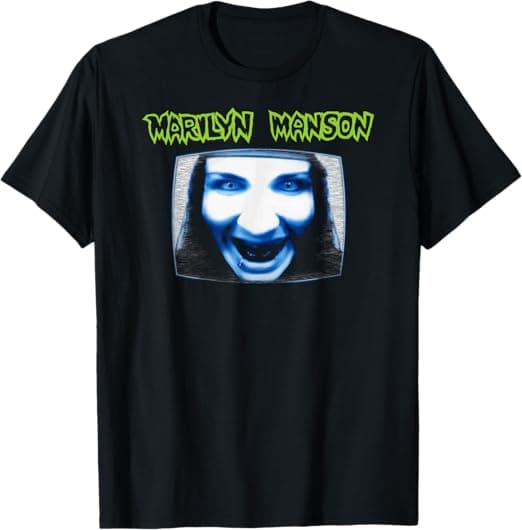
Manson’s influence extends far beyond music. His image, style, and persona helped shape the aesthetics of alternative youth culture in the 1990s and 2000s. The stark makeup, black leather, and gothic theatrics became iconic symbols associated with rebellion and individuality. For many teenagers of the era, a Manson T-shirt wasn’t just clothing—it was a statement of identity.
Beyond fashion, Manson appeared in films and television, from cameos in Jawbreaker to roles in shows like Sons of Anarchy. He collaborated with a wide range of artists, bridging gaps between industrial rock, hip-hop, and even mainstream pop. His friendships with cultural figures like Johnny Depp and his collaborations with rappers and pop stars further expanded his reach into unexpected audiences.
In the digital era, Manson’s imagery and persona also found new life through memes and internet culture. His influence can be seen in younger artists who embrace dark aesthetics, from Billie Eilish’s eerie visuals to bands like Ghost and Motionless in White, who cite Manson as a direct inspiration.
• The Role of Controversy
Controversy has always been inseparable from Manson’s career. In the late 1990s, he became the scapegoat for moral panics, particularly after the Columbine High School tragedy in 1999. Politicians and media outlets accused him of corrupting youth, despite evidence that he had no direct connection to the shooters. Ironically, this vilification only solidified his reputation as a cultural rebel.
In more recent years, Manson’s controversies have shifted from staged provocation to personal scandal. Allegations of abuse and misconduct in the 2020s cast a long shadow over his career, leading to canceled shows, dropped record deals, and ongoing legal battles. These accusations tarnished his reputation in ways that previous controversies had not, forcing fans and critics alike to reexamine his legacy.
Yet even here, the conversation surrounding Manson ensured his continued presence in cultural dialogue. While controversy has undeniably hurt him, it has also paradoxically kept his name in circulation. This duality—thriving on provocation while being wounded by it—has been a defining factor in his staying power.
• Fanbase Loyalty and Community
Perhaps the most important factor in Manson’s endurance has been his fanbase. Known for their fierce loyalty, his fans have supported him through decades of reinvention and controversy. For many, Manson’s music provided a sense of belonging, empowerment, and catharsis during times of alienation.
Online communities, from early fan forums to modern social media groups, have kept Manson’s legacy alive. His merchandise, especially vintage shirts and collectibles, continues to circulate as prized possessions, demonstrating the lasting cultural value of his brand.
This loyalty forms a kind of cultural shield, allowing him to maintain relevance even when mainstream outlets turn away. It is this community, as much as his artistry, that sustains him in 2025.
• Marilyn Manson in 2025
As of 2025, Marilyn Manson stands at a crossroads. He remains an iconic figure, but his legacy is complicated. His influence on music, fashion, and pop culture is undeniable, yet his reputation has been marred by serious allegations. This duality mirrors the contradictions he has embodied since the start of his career: beauty and horror, art and controversy, fame and infamy.
While he may not dominate the charts as he once did, his relevance endures in other ways. Younger artists cite him as an influence, his songs continue to stream across platforms, and his image remains instantly recognizable. The nostalgia cycle of the 1990s and 2000s also ensures that new generations continue to discover his music, drawn to its raw theatricality.
In 2025, Manson is less about the shock of the new and more about the weight of legacy. He is an artist whose name carries cultural significance, regardless of one’s personal opinion of him. His continued relevance underscores the fact that some artists transcend trends to become lasting symbols of their era.
• Conclusion: The Enduring Legacy
Marilyn Manson’s staying power is rooted in more than music. It lies in his ability to embody contradiction, to provoke conversation, and to continually reinvent himself. His fans, his controversies, and his influence on art and culture have ensured that he remains a name people know, even decades after his rise to fame.
Whether seen as a visionary artist, a provocateur, or a scandal-ridden figure, Manson represents a kind of cultural permanence. His career reflects not only the evolution of alternative music but also the complex relationship between art, controversy, and society. In 2025, Marilyn Manson is not just a relic of the past but a reminder of how certain figures can shape and haunt the cultural imagination for generations.
His legacy, for better or worse, proves that some artists do not fade—they remain etched into the cultural landscape, their presence felt long after their peak. Marilyn Manson, in all his contradictions, continues to endure.
Photo by Rama, licensed under CC BY-SA 3.0, via Wikimedia Commons
Latest Blog Posts
From Antichrist to Alien: How David Bowie Shaped Marilyn Manson’s Mechanical Animals
When Marilyn Manson unleashed Antichrist Superstar in 1996, he cemented his role as the ultimate rock-and-roll villain of the late ’90s. Brutal, chaotic, and nihilistic, the album was a manifesto of destruction—part industrial nightmare, part social commentary, and all rage...
When Marilyn Met Trent: The Florida Meeting That Catapulted Marilyn Manson's Career
Few moments in rock history feel as electric and transformative as the first encounter between two of industrial music’s most notorious figures: Marilyn Manson and Trent Reznor...