November 6th, 2025
Why Marilyn Manson's Holywood Vinyl Has Become A Rare Collector Favorite
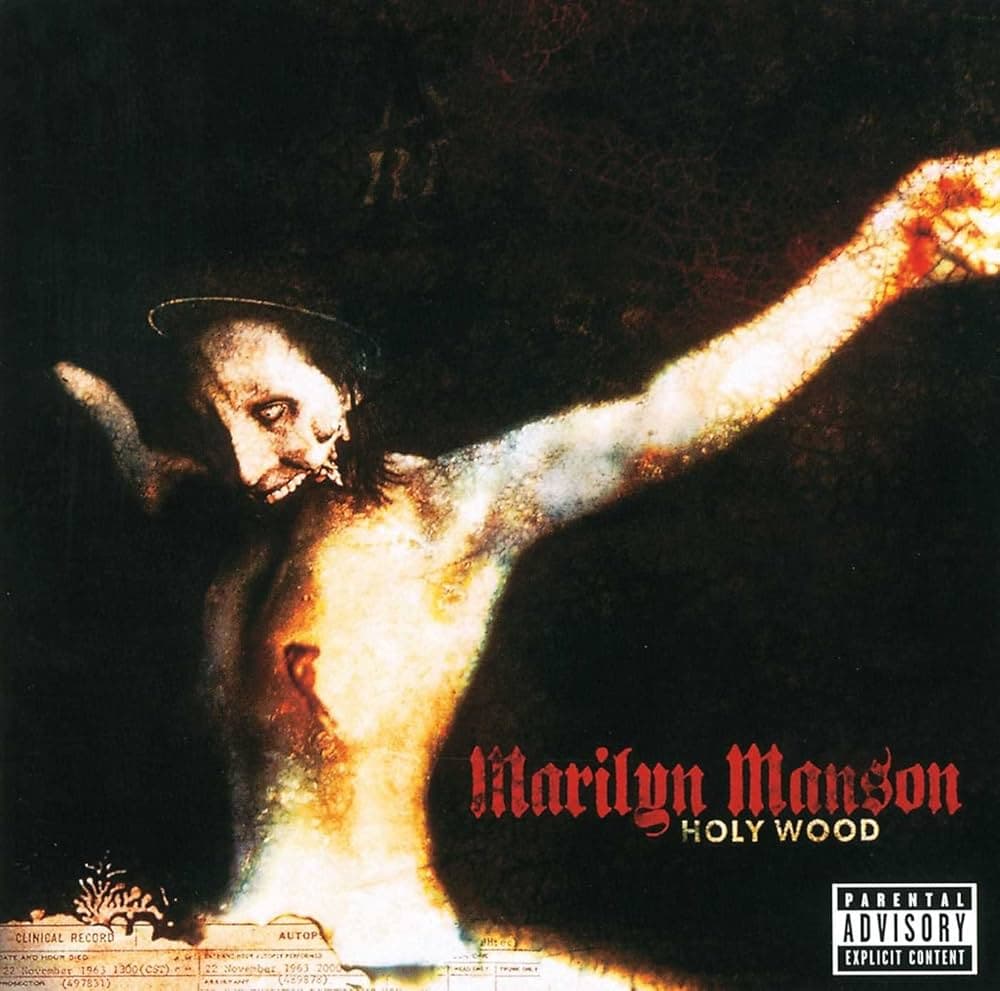
For fans of Marilyn Manson, few albums capture the shock, drama, and dark theatricality of the late ’90s and early 2000s quite like Holy Wood. Beyond its controversial themes and striking artwork, the vinyl editions of this album have become highly sought-after collector’s items. Whether you grew up following Manson’s rise or are just discovering his discography, understanding why this record is coveted can help any collector or fan make informed decisions.
• The Album That Defined an Era
Released in 2000, Holy Wood (In the Shadow of the Valley of Death) marked a turning point for Marilyn Manson. It was a response to the cultural controversies that had surrounded him during the Antichrist Superstar era. Fans remember it not only for its complex lyrics and industrial-rock sound but also for its striking vinyl releases. From the cover art to the inner sleeves, the album was a statement piece — both visually and sonically.
• Why the Vinyl Edition Stands Out
Unlike standard CDs or digital releases, the Holy Wood vinyl editions were produced with a keen eye for collector appeal. The original 2000 pressings featured heavyweight vinyl, gatefold sleeves, and artwork that has become iconic among fans. Variants included colored vinyl, limited edition inserts, and even misprints that now fetch a premium on secondary markets. For collectors, these tactile features turn an ordinary album into a treasured artifact.
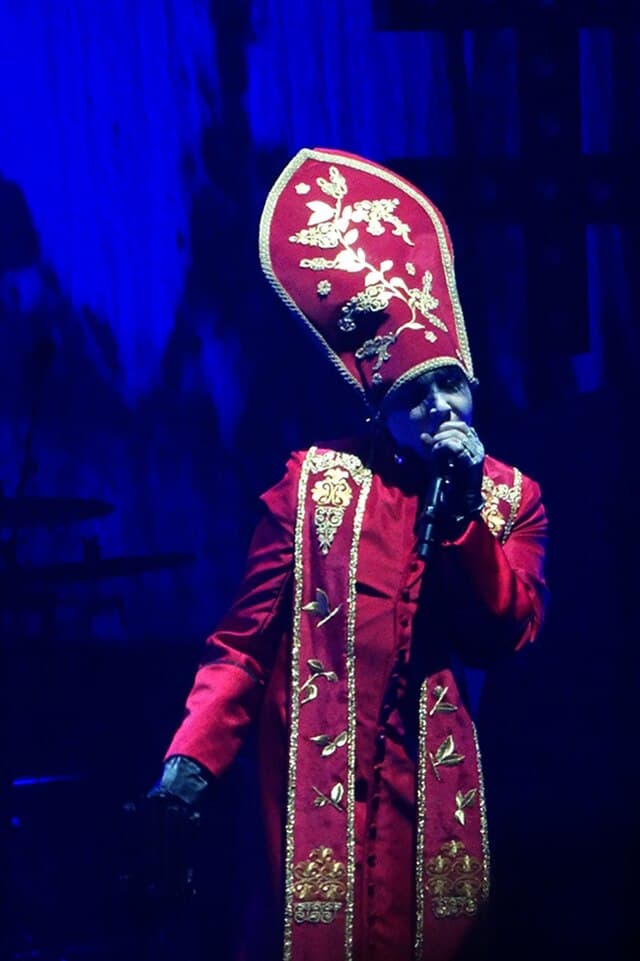
Marilyn Manson's "Holywood" on vinyl has become a rare gem amongst hardcore fans.
• Pressing History: From First Run to Bootlegs
The first pressing of Holy Wood vinyl came out in 2000 and quickly sold out in most major record stores. A second pressing followed in 2001, but the limited number of copies, combined with the album’s growing cult status, made these records highly collectible. Over the years, bootleg pressings and unauthorized copies have also circulated, making authentication an important skill for buyers.
• Collectibility Factors: What Makes a Copy Valuable
Several factors determine the value of a Holy Wood vinyl copy. Condition is critical: a mint sleeve and unplayed record can double or triple the price of a worn edition. Variant editions — colored vinyl, limited edition posters, or signed copies — command premium prices. Misprints and rare inner sleeve designs also add to the allure for collectors, who often hunt for these anomalies with a fervor akin to treasure hunting.
• Market Trends: Pricing Over the Years
Over the past two decades, prices for Holy Wood vinyl have steadily risen. Early 2000s pressings that once sold for $25–$40 now often go for $150–$300 depending on rarity and condition. Limited edition colored pressings can fetch even higher, sometimes exceeding $500. The surge is partly due to nostalgia, the album’s enduring reputation, and the increasing scarcity of unopened copies. Collectors and fans alike keep an eye on auction sites, record fairs, and specialty shops to find the best deals.
• Where to Buy “Holy Wood” on Vinyl Today
If you’re looking to add Holy Wood vinyl to your collection, several avenues exist:
- Discogs: A premier marketplace for collectors. Look for sellers with high ratings and detailed listings to avoid bootlegs.
- eBay: Auctions can yield great finds, especially rare variants. Set alerts for new listings and always check seller feedback.
- Reverb / Indie Record Stores: Specialized vinyl shops often carry limited editions. Local shops may have hidden gems not listed online.
- Authentication Tips: Compare catalog numbers, sleeve details, and matrix runouts against verified references. Ask for high-res photos if buying remotely.
Collectors who are patient, diligent, and informed often score the best copies — sometimes even below market price.
• Will “Holy Wood” Ever Get an Official Repress?
Fans have speculated about a repress for years. While nothing official has been announced, interest in vinyl has surged across the board, and record labels have occasionally surprised collectors with reissues of other Manson albums. Until then, original pressings remain the holy grail for devoted fans. The scarcity only adds to the album’s mystique and keeps collectors hunting diligently.
• Looking for More Vintage Marilyn Manson Merch?
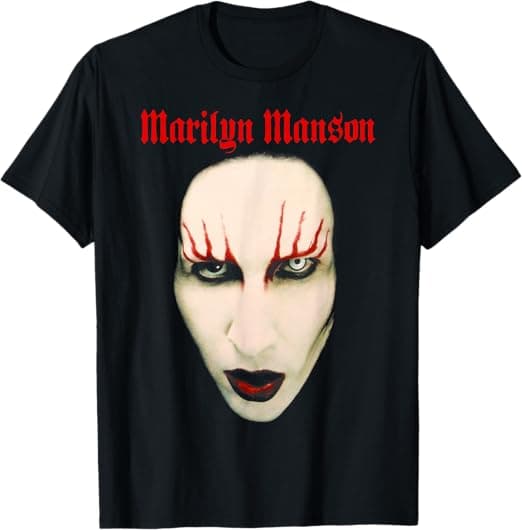
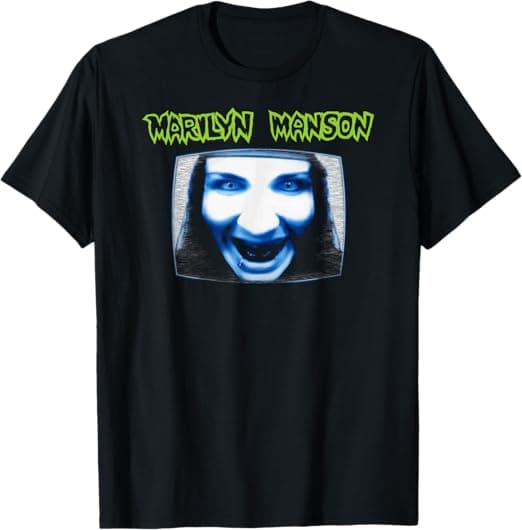
Whether you’re after rare vinyl like Holy Wood or vintage tour shirts, our curated collection has you covered. Explore our hand-picked selection of Marilyn Manson merch, and secure iconic pieces before they disappear from the market. Browse the shop here.
Photo by Tilt3Kats, licensed under CC BY-SA 3.0, via Wikimedia Commons
Latest Blog Posts
From Antichrist to Alien: How David Bowie Shaped Marilyn Manson’s Mechanical Animals
When Marilyn Manson unleashed Antichrist Superstar in 1996, he cemented his role as the ultimate rock-and-roll villain of the late ’90s. Brutal, chaotic, and nihilistic, the album was a manifesto of destruction—part industrial nightmare, part social commentary, and all rage...
When Marilyn Met Trent: The Florida Meeting That Catapulted Marilyn Manson's Career
Few moments in rock history feel as electric and transformative as the first encounter between two of industrial music’s most notorious figures: Marilyn Manson and Trent Reznor...